Verification: c2e7cf782611a4d0

Blog

Why Every Ghanaian Home Should Go Solar in 2025

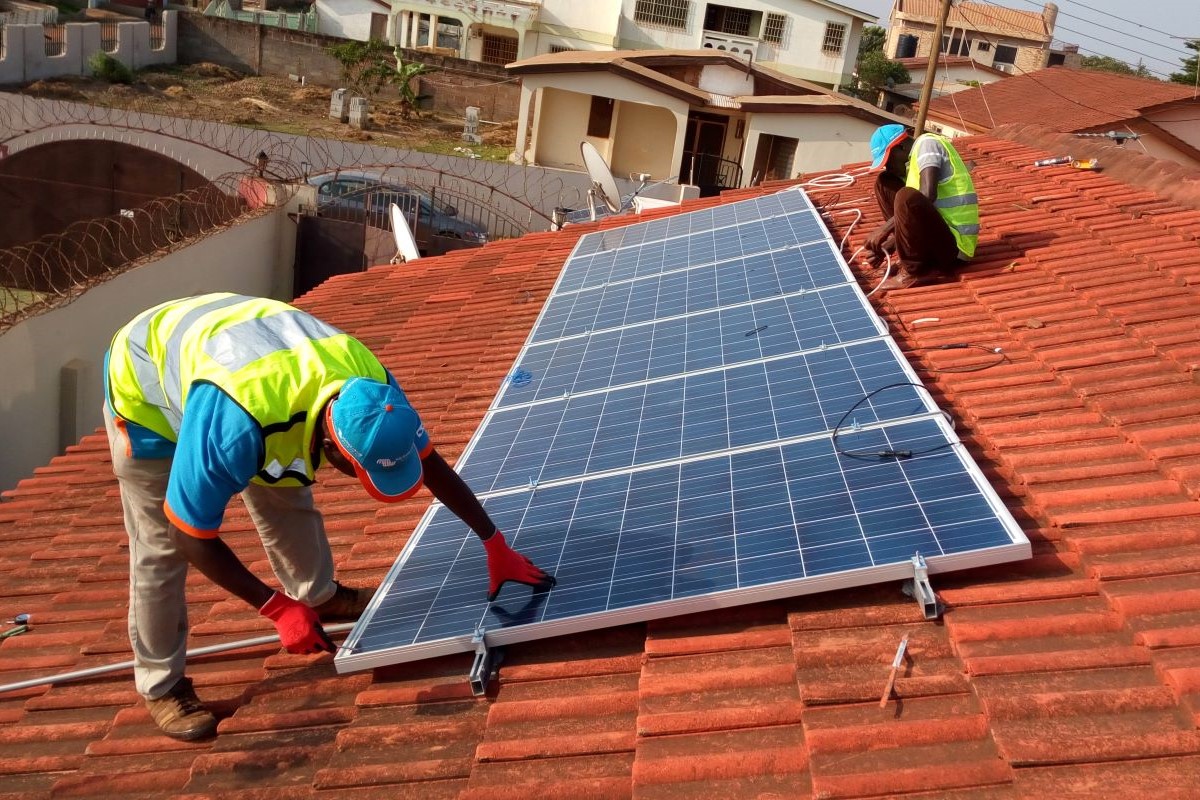
Ghana’s energy landscape is evolving rapidly. With increasing electricity tariffs, unreliable power supply, and a growing awareness of environmental sustainability, solar energy is emerging as the smartest choice for homeowners. If you haven’t considered switching to solar, 2025 is the perfect year to make the transition. Here’s why every Ghanaian home should embrace solar power now.

The Benefits of Solar Energy for Ghanaian Households

  1. Say Goodbye to Dumsor (Power Outages)
    Ghana’s persistent power crisis, commonly known as Dumsor, has plagued households for years. With a solar power system, you can enjoy an uninterrupted electricity supply, reducing your dependence on the national grid and ensuring your home remains powered 24/7.
  2. Save Big on Electricity Bills
    With rising utility costs, electricity bills are becoming a financial burden for many Ghanaian families. Investing in solar energy significantly reduces monthly expenses. Over time, the savings on electricity bills can completely offset the initial cost of installation, making solar a financially wise decision.
  3. Government Incentives and Net Metering
    Ghana’s government has introduced initiatives like Net Metering, which allows homeowners to sell excess solar energy back to the grid. This means your solar system could actually generate income, further reducing energy costs.
  4. Protect the Environment
    Solar energy is a clean, renewable power source that reduces carbon emissions and minimizes reliance on fossil fuels. By choosing solar, you’re making a commitment to a greener Ghana and helping to combat climate change.
  5. Energy Independence and Security
    With frequent power tariff hikes and grid instability, having your own solar energy system gives you control over your power supply. You no longer have to worry about unexpected blackouts or price fluctuations.

Addressing Concerns About Going Solar

“Is Solar Power Too Expensive?”
Many people believe that solar energy is costly, but prices have dropped significantly in recent years. With flexible financing options, tax incentives, and government rebates, installing a solar system has never been more affordable.
“Will Solar Work During Cloudy Days?”
Yes! Ghana receives abundant sunlight year-round, but even on cloudy days, solar panels can still generate power. Modern solar technology ensures efficiency in low-light conditions.
“How Long Does a Solar System Last?”
High-quality solar panels can last 25+ years with minimal maintenance. Battery storage solutions also help homeowners store excess energy for nighttime use, further increasing reliability.

The Current State of Solar Energy in Ghana
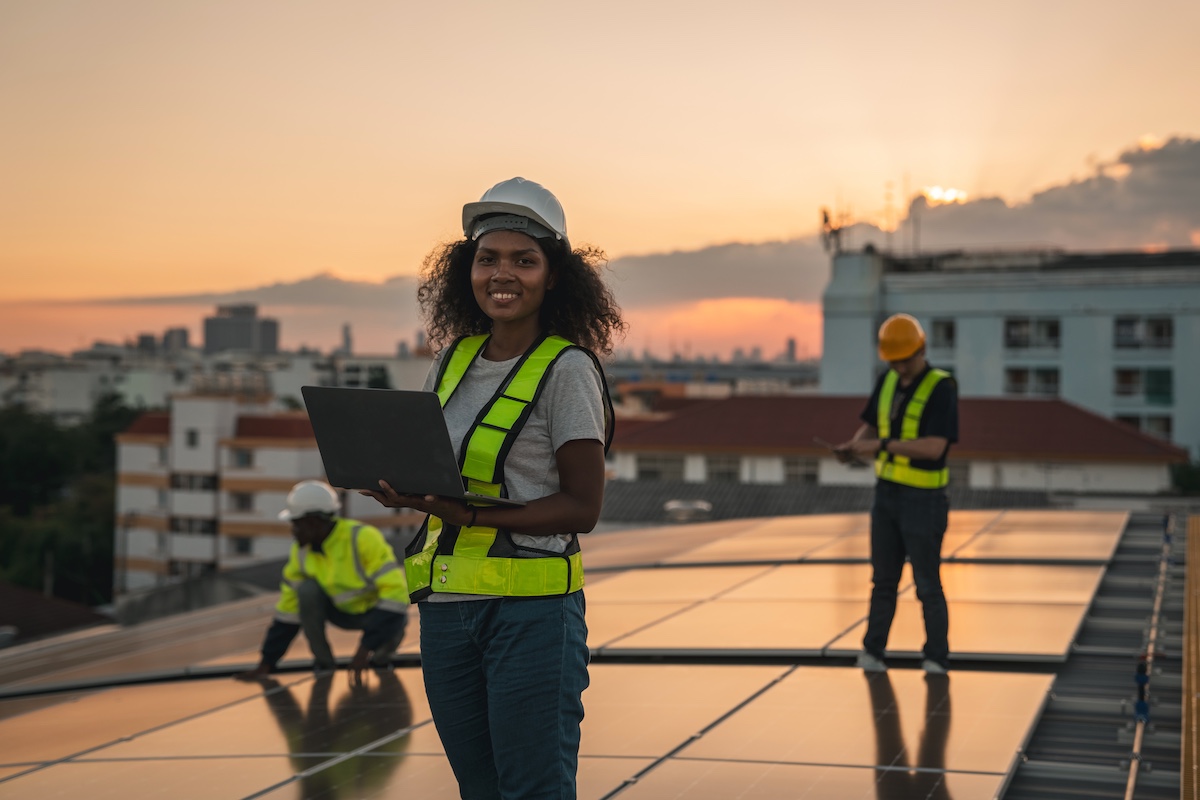
Ghana’s solar industry has grown tremendously, with many companies offering affordable and reliable solar solutions. More businesses and households are making the switch, and the government is actively promoting renewable energy adoption. Organizations like SolarGirl Ghana are leading the way in empowering women in the solar industry and making solar accessible to more homes.

How to Transition to Solar Power in 2025

  1. Assess Your Energy Needs
    Calculate your household’s daily energy consumption to determine the right solar system size for your home.
  2. Choose a Trusted Solar Provider
    Work with reputable companies like SolarGirl Ghana to ensure quality products, expert installation, and reliable after-sales support.
  3. Explore Financing Options
    Look for payment plans, bank loans, or government incentives that can help reduce upfront costs.
  4. Install and Monitor Your System
    Once installed, monitor your system’s performance to optimize energy savings and ensure long-term efficiency.

Conclusion & Call to Action

Solar energy is the future of Ghana’s power sector. By making the switch in 2025, you can save money, enjoy reliable electricity, and contribute to a cleaner environment. Don’t wait—start your solar journey today!
👉 Visit SolarGirlGhana.com to explore solar solutions for your home.

How Solar Energy is Transforming Lives in Ghana

Access to reliable electricity is a major challenge in Ghana, especially in rural areas. However, solar energy is changing lives, providing sustainable power solutions, and driving economic growth. With organizations like SolarGirl Ghana leading the way, solar technology is improving healthcare, education, and business opportunities across the country. Here’s how solar energy is transforming lives in Ghana.

Solar Power and Healthcare: Saving Lives with Clean Energy

Many rural health clinics in Ghana struggle with unreliable electricity, making it difficult to store vaccines, power medical equipment, or conduct nighttime operations. The Solar Vaccine Refrigerator Project, supported by the Ghana Health Service and partners like GivePower and ESRAG (Environmental Sustainability Rotary Action Group), has equipped health facilities with solar-powered refrigerators, ensuring life-saving vaccines remain at optimal temperatures.

Example: The Alokpatsa Health Center in the Volta Region benefited from the Rotary Club of Accra-Spintex’s Solar Vaccine Shelter Project, which provided a reliable power source for vaccine storage. This project has significantly reduced infant mortality rates by ensuring vaccines are always available and effective.

Solar Energy Empowering Education

Many schools in rural Ghana lack electricity, making it difficult for students to study at night. Solar energy is bridging this gap by providing lighting and power for digital learning tools.

Example: The Barefoot College Solar Program, in partnership with the Ghana Ministry of Energy, has trained women from rural communities to become solar engineers. These women return to their communities and install solar lighting in schools, allowing children to study in the evenings without relying on hazardous kerosene lamps.

Another remarkable initiative is the Ghana School Solar Initiative, which equips schools with solar power to run computers and digital learning programs, ensuring students receive a modern education.


Boosting Businesses and Job Creation

Solar energy is driving economic growth by reducing energy costs for businesses and creating new job opportunities.

Example: SolarGirl Ghana, Ghana’s first all-female solar company, is empowering women by training them in solar installation, maintenance, and entrepreneurship. By providing solar solutions to households and businesses, SolarGirl is creating jobs and helping Ghana achieve its renewable energy goals.

Additionally, small businesses in market centers now rely on Solar Kiosks, such as those developed by ZonNext.nl, to power their operations. These kiosks provide electricity for charging mobile phones, running refrigeration units, and lighting up stalls at night, allowing vendors to extend their business hours.

Solar Energy in Agriculture: Enhancing Food Security

Agriculture is the backbone of Ghana’s economy, and solar energy is playing a crucial role in improving productivity.

Example: The Solar Irrigation Project by WaterAid Ghana has installed solar-powered pumps for farmers in the Northern Region. These pumps provide a sustainable water supply, reducing reliance on erratic rainfall and boosting crop yields. As a result, farmers can cultivate crops year-round, improving food security and household incomes.

Addressing Energy Poverty in Rural Communities

Thousands of off-grid communities in Ghana now have access to electricity thanks to solar mini-grids and home systems.

Example: The Solar Home System Initiative by PEG Africa has brought solar-powered lighting, fans, and televisions to over 100,000 households in Ghana. Families that previously depended on candles and kerosene lamps now enjoy clean, affordable electricity.

The Bui Power Authority has also launched a 50MW Solar Farm as part of Ghana’s transition to renewable energy. This large-scale project feeds into the national grid, reducing dependence on fossil fuels and ensuring a more stable power supply nationwide.

Conclusion & Call to Action

Solar energy is transforming lives in Ghana by improving healthcare, education, business opportunities, agriculture, and rural electrification. With innovative solutions from organizations like SolarGirl Ghana, Ghana is moving toward a more sustainable and energy-secure future.

👉 Interested in switching to solar? Visit SolarGirl Ghana to explore solar solutions for your home or business.

Solar vs. National Grid: Which One Saves You More?

The Rising Cost of Power in Ghana

If you’re living in Ghana, you’ve probably felt the pinch of rising electricity bills. The cost of power from the national grid (ECG and NEDCo) has been steadily increasing due to inflation, fuel price hikes, and maintenance costs. On the other hand, solar energy is gaining popularity as a more affordable and sustainable alternative.

But here’s the big question: Which option saves you more money in the long run—solar power or the national grid? Let’s break it down.

  1. Understanding the Cost of Electricity in Ghana

Electricity tariffs in Ghana vary based on your usage and category (residential, commercial, or industrial). According to the Public Utilities Regulatory Commission (PURC), tariffs can be broken down into:

  • Fixed Monthly Charges – A set amount you pay regardless of consumption.
  • Energy Charges (per kWh) – The actual cost based on how much power you use.
  • Fuel Price Adjustments & Taxes – Additional costs that fluctuate with fuel prices and government policies.

As of recent tariff updates, Ghanaian households pay between ₵1.39 to ₵1.68 per kWh, depending on consumption levels. Businesses often pay even higher rates.

Hidden Costs of Grid Power

  • Frequent Price Increases: Tariffs are reviewed regularly, often leading to hikes.
  • Power Outages: Unreliable supply can lead to additional costs from fuel-powered generators.
  • Environmental Costs: The grid relies heavily on hydro and thermal energy, which are not the most sustainable in the long run.
  1. The Cost of Going Solar in Ghana

Solar power has a higher upfront cost but significantly lower long-term expenses. Here’s a general breakdown:

Upfront Costs

  • Solar Panels (Photovoltaic System): ₵5,000 – ₵50,000+, depending on system size.
  • Inverters & Batteries: ₵3,000 – ₵30,000+ (optional but useful for nighttime use).
  • Installation Costs: ₵1,500 – ₵10,000, depending on the installer and system complexity.

Ongoing Costs

  • Minimal Maintenance: Panels last 20–25 years with occasional cleaning and minor repairs.
  • Zero Monthly Bills: Once installed, you don’t pay ECG tariffs unless you use a hybrid system.

Hidden Benefits of Solar

  • Energy Independence: No more worrying about power cuts or tariff increases.
  • Eco-Friendly: Solar reduces reliance on fossil fuels, helping combat climate change.
  • Government Incentives: Ghana offers some tax exemptions and duty waivers on solar equipment imports.
  1. Solar vs. Grid: Which Saves You More Money?

Short-Term (0-5 Years)

Factor National Grid Solar Power
Upfront Cost Low High
Monthly Bill High None
Reliability Unreliable (frequent outages) Reliable (as long as there’s sunlight)
Maintenance None Low


  • If you can’t afford upfront solar costs, grid power may seem cheaper in the short term.
  • However, financing options like solar loans or leasing are available to spread the cost.


 Long-Term (5+ Years)


Factor National Grid Solar Power
Total Cost Over 10 Years ₵20,000 – ₵50,000+ ₵10,000 – ₵30,000
Tariff Increases Frequent None
System Lifespan N/A 20+ years
Resale Value None Increases property value


  • Over time, solar power wins because you avoid rising tariffs and recover your investment.
  • A good solar system can pay for itself in 4–7 years.
  1. Financing Options for Solar in Ghana

Many people assume solar is too expensive, but here are some ways to make it affordable:

Pay-As-You-Go (PAYG) Solar: Companies like PEG Africa and Zola Electric offer small solar systems on installment plans.
Bank Loans & Microfinance: Some banks provide green energy loans at reduced interest rates.
Solar Leasing: Rent a solar system instead of buying upfront, saving money on equipment costs.

  1. The Verdict: Should You Switch to Solar?

If you’re looking for immediate affordability, the grid may seem like the better choice. However, in the long run, solar power saves more money and provides stability against rising electricity costs.

💡 Best Option:

  • If you use low electricity (under 50 kWh/month), sticking to the grid might be cheaper.
  • If you have moderate to high usage (100+ kWh/month), solar pays off faster and saves you more in the long run.

Shopping Cart

No products in the basket.

Wordpress Social Share Plugin powered by Ultimatelysocial
Instagram
WhatsApp
Copy link
URL has been copied successfully!