Verification: c2e7cf782611a4d0

Blog

The Science Behind Solar Panels: How They Convert Sunlight into Electricity

The Power of the Sun

Imagine if you could turn sunlight into free electricity, cutting down your energy bills and reducing reliance on the national grid. That’s exactly what solar panels do! But how does this fascinating process work?

Solar panels are more than just sleek, glass-like structures on rooftops. They are the result of cutting-edge science that converts sunlight into usable power for homes, businesses, and even entire communities. In this article, we’ll explore the science behind solar panels, breaking it down into simple terms so you can understand how the sun powers your lights, fridge, and gadgets.

  1. How Do Solar Panels Work? A Step-by-Step Breakdown

Solar panels generate electricity through a process known as the photovoltaic (PV) effect. Here’s a simple breakdown:

Step 1: Sunlight Hits the Solar Panels

  • Solar panels are made up of photovoltaic cells, which absorb sunlight.
  • These cells are usually made of silicon, a semiconductor material.

Step 2: Creating an Electric Field

  • When sunlight (photons) hits the silicon cells, it knocks electrons loose.
  • This creates an electric field, pushing electrons in a particular direction.

Step 3: Generating Direct Current (DC) Electricity

  • The movement of electrons produces direct current (DC) electricity.
  • However, most homes and businesses use alternating current (AC), so an extra step is needed.

Step 4: Converting DC to AC with an Inverter

  • A solar inverter converts DC into AC, making it compatible with appliances.

Step 5: Powering Your Home or Feeding the Grid

  • The generated electricity is used to power your home immediately.
  • Any extra power can be stored in a battery or sent back to the national grid for credits.
  1. What Are Solar Panels Made Of?

Solar panels are not just glass—they are complex layers of technology working together. A typical panel consists of:

Photovoltaic Cells – Made from silicon, responsible for converting sunlight into electricity.
Glass Covering – Protects cells from weather damage.
Encapsulant Layers – Keep everything sealed and durable.
Aluminum Frame – Provides structure and mounting support.
Junction Box & Wiring – Connects the panel to the inverter and electrical system.

These components work together to ensure maximum sunlight absorption and durability, lasting up to 25–30 years with proper maintenance.

  1. The Role of Semiconductors in Solar Energy

The heart of a solar panel is the semiconductor material—silicon. But why silicon?

🔹 Abundance – Silicon is one of the most abundant elements on Earth.
🔹 Conductivity – It efficiently absorbs and moves electrons when exposed to light.
🔹 Durability – It withstands extreme weather conditions.

When sunlight hits silicon, it excites electrons, causing them to move and generate electricity. This is the core principle behind the photovoltaic effect discovered by French physicist Alexandre-Edmond Becquerel in 1839.

  1. How Efficient Are Solar Panels?

Not all sunlight hitting a solar panel gets converted into electricity. The efficiency of a solar panel depends on:

  • Panel Type: Monocrystalline panels (more efficient) vs. polycrystalline panels (less efficient).
  • Sunlight Exposure: More direct sunlight = more electricity.
  • Temperature: High temperatures can reduce efficiency.
  • Dirt & Shading: Dust, debris, or shadows can block sunlight absorption.

Most modern solar panels have efficiency rates of 15-22%, meaning they convert 15-22% of sunlight into usable electricity. Scientists are constantly working on improving this!

  1. The Future of Solar Panel Technology

Solar technology is advancing rapidly, with exciting innovations like:

🌞 Perovskite Solar Cells – A new material that could boost efficiency to 30% or more.
🌞 Bifacial Solar Panels – Capture sunlight from both sides for increased energy output.
🌞 Solar Roof Tiles – Sleek, integrated panels that replace traditional roofing.

As these advancements continue, solar energy will become cheaper and more accessible worldwide.

  1. Why Should You Care? The Benefits of Solar Energy

Switching to solar isn’t just about understanding the science—it’s about the real-world benefits:

Lower Energy Bills – Reduce or eliminate your electricity costs.
Energy Independence – No more reliance on ECG or NEDCo.
Eco-Friendly – Solar power is a clean, renewable energy source.
Long-Term Investment – Solar panels last 25+ years, providing long-term savings.

With solar, you harness the power of the sun—a free and limitless energy source!

Final Thoughts: Ready to Harness the Sun?

Now that you understand how solar panels work, why not take the next step? Investing in solar energy means saving money, reducing your carbon footprint, and securing energy independence.

💡 Start your solar journey today at www.solargirl.com!

🔹 Have questions? Drop them in the comments!
🔹 Found this article helpful? Share it with your friends! 🚀
The Future of Renewable Energy in Ghana: Trends & Predictions

Ghana is at a pivotal moment in its energy transition, with renewable energy emerging as a key player in the country’s development. With rising electricity demand, frequent power shortages, and an increasing push for sustainability, renewable energy is the future. This article explores the trends and predictions shaping the future of renewable energy in Ghana and what it means for homeowners, businesses, and investors.

The Current State of Renewable Energy in Ghana

Ghana has set ambitious goals for its renewable energy sector, including a target of 10% renewable energy contribution to the national energy mix by 2030. Currently, the country relies heavily on hydropower and thermal power, but solar, wind, and biomass are gaining momentum.

Key Developments So Far:

  • Solar Energy Expansion: The Ghanaian government, through the Renewable Energy Master Plan (REMP), is promoting solar installations across homes and businesses.
  • Net Metering Policy: Allows consumers to feed excess solar power into the national grid, reducing dependency on fossil fuels.
  • Private Sector Investments: Companies like Nocheski Solar and SolarGirl Ghana are leading the charge in making solar power accessible.

Emerging Trends in Ghana’s Renewable Energy Sector

  1. Growth of Solar Power and Battery Storage

Solar energy is becoming increasingly popular due to lower installation costs and improved efficiency. Battery storage solutions are also improving, making solar a viable alternative even when the sun isn’t shining.

🔹 Prediction: More households and businesses will adopt solar-plus-storage systems, reducing reliance on the national grid.

  1. Mini-Grids and Off-Grid Solutions for Rural Communities

Many rural areas in Ghana still lack access to electricity. Solar mini-grids and standalone off-grid solutions are bridging this gap, providing clean energy to underserved communities.

🔹 Prediction: Off-grid solar solutions will play a significant role in achieving 100% electrification in Ghana.

  1. Rise in Electric Vehicles (EVs) and Charging Infrastructure

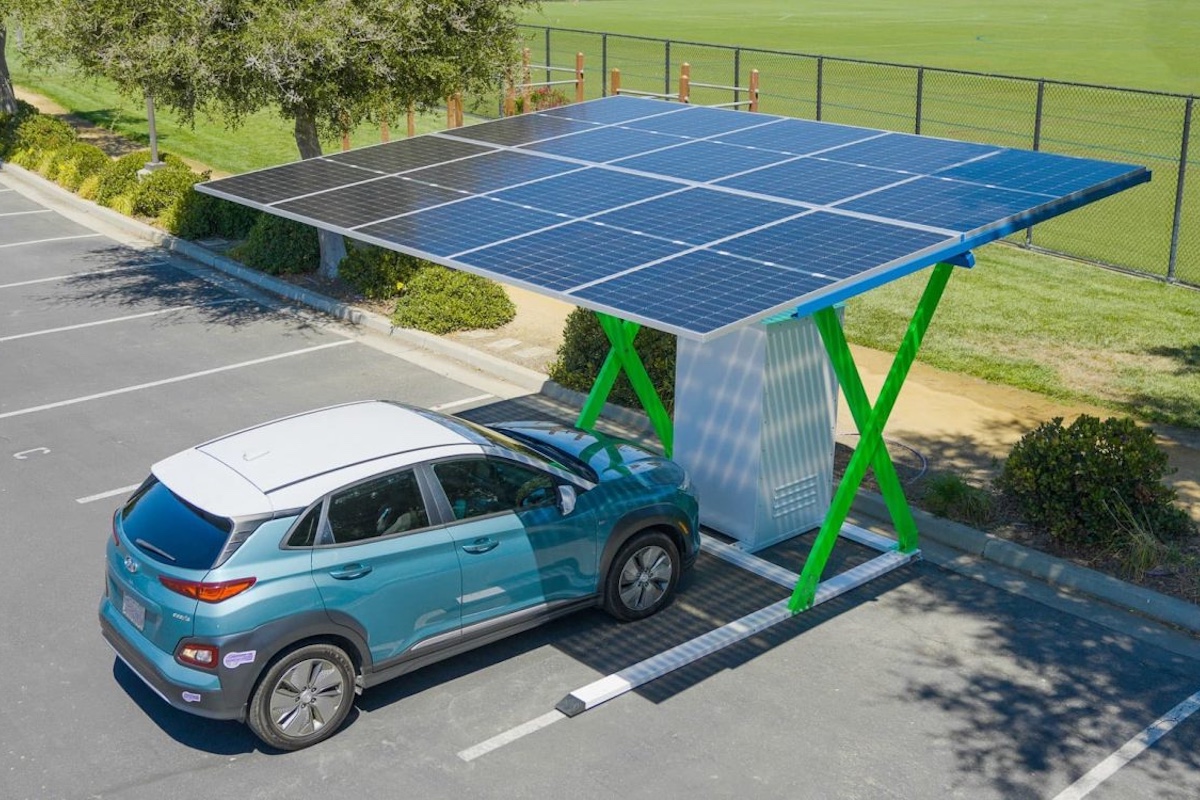
With the global shift toward electric vehicles (EVs), Ghana is also making strides in developing solar-powered EV charging stations. This will reduce reliance on fuel imports and cut transportation costs.

🔹 Prediction: The adoption of EVs will increase, supported by investments in renewable-powered charging stations.

  1. Government Policies and Incentives for Renewable Energy

The Ghanaian government is introducing tax breaks, subsidies, and incentives for renewable energy adoption, making it easier for individuals and businesses to switch to solar and wind power.

🔹 Prediction: More favorable policies will drive an increase in renewable energy investments.

  1. Smart Grid and Digital Energy Solutions

With advancements in technology, smart meters, AI-driven energy management, and IoT-based monitoring are revolutionizing how Ghanaians consume energy.

🔹 Prediction: Ghana’s energy sector will see an integration of smart technologies for efficient power distribution and consumption.

Why This Matters for You

Lower electricity bills – Solar energy can reduce energy costs by up to 70%. ✅ Energy independence – Avoid power outages and reduce reliance on ECG. ✅ Environmental benefits – Switching to renewables cuts carbon emissions. ✅ Economic growth – More renewable energy jobs and business opportunities.

Conclusion: The Future is Bright with Renewable Energy

Ghana is on the brink of an energy revolution, with solar, wind, and battery storage leading the way. As technology improves and policies become more favorable, renewable energy will become the backbone of Ghana’s power sector. Now is the time for homeowners, businesses, and investors to embrace the future and make the switch to clean, affordable energy.

👉 Want to go solar? Contact SolarGirl Ghana today for expert guidance on transitioning to renewable energy.

📢 Share this article and help spread awareness about Ghana’s renewable energy future!

Suggested Photo Options:

📷 Solar farms in Ghana 📷 Off-grid solar installations in rural communities 📷 Smart meters and digital energy solutions in use 📷 Electric vehicle charging stations powered by solar

How to Calculate Your Solar Energy Needs

Switching to solar energy is one of the best decisions you can make for your home or business. Not only does it reduce your reliance on the national grid, but it also cuts electricity costs and promotes environmental sustainability. However, before installing a solar power system, it’s crucial to calculate your solar energy needs accurately. This ensures you invest in the right system size to meet your energy consumption.

In this guide, we’ll walk you through the step-by-step process of calculating your solar energy requirements so you can make an informed decision.

Step 1: Determine Your Daily Energy Consumption

The first step in sizing a solar system is understanding how much electricity you use daily. This is measured in kilowatt-hours (kWh). Here’s how to do it:

  • Check your electricity bill: Most utility bills display your monthly or daily energy consumption.
  • List your appliances and their power ratings: Common household appliances include:
    • Refrigerator: ~200W
    • TV: ~100W
    • Air conditioner: ~1,200W
    • Light bulbs: ~10W each
  • Calculate daily energy use per appliance: Multiply the wattage of each appliance by the number of hours used per day.

For example, if you use a 200W refrigerator for 24 hours:

Repeat this for all appliances and sum up the totals to get your daily energy consumption.

Step 2: Determine the Solar System Size

Once you have your daily electricity consumption, you can calculate the required solar panel capacity.

Formula:

Example Calculation: If your daily energy consumption is 30kWh and your location receives 5 peak sunlight hours per day, then:

This means you need a 6kW solar system to cover your energy needs.

Step 3: Factor in Efficiency and Energy Losses

Solar panels aren’t 100% efficient due to factors like dirt, shading, and system losses. It’s best to add a 20–25% buffer to your solar system size to compensate for inefficiencies.

Using the previous example:

So, you should install a 7.2kW system for optimal performance.

Step 4: Determine the Number of Solar Panels Needed

Now, divide the total system size by the power rating of a single panel. Most solar panels range between 300W and 600W.

Example Calculation: If you opt for 550W panels:

This means you’ll need around 13 solar panels to meet your energy needs.

Step 5: Consider Battery Storage (If Needed)

If you want to use solar energy at night or during power outages, you’ll need battery storage.

To determine the battery size:

  • Decide how many hours of backup power you need.
  • Use deep-cycle lithium-ion batteries (e.g., BYD or Tesla Powerwall).
  • Example: A household using 10kWh overnight will need a battery with at least 10–12kWh capacity.

Step 6: Get a Professional Solar Assessment

While these calculations provide a solid estimate, it’s always advisable to consult a professional solar provider like SolarGirl Ghana. They can conduct a site assessment and recommend the most efficient setup for your home or business.

Conclusion: Make the Switch to Solar Today!

Understanding your solar energy needs ensures you invest in the right system, maximize efficiency, and enjoy long-term energy savings. Whether you’re a homeowner looking to cut costs or a business seeking energy independence, SolarGirl Ghana is here to help.

👉 Get a FREE Solar Consultation Today! Contact us at www.solargirlghana.com to start your solar journey.

🔄 Share this article! Help others learn how to size their solar energy systems effectively. 🌞⚡


Final Thoughts: Make the Switch & Start Saving!

Switching to solar is a smart financial move if you can afford the upfront investment or find a good financing option. It’s not just about savings—it’s about energy independence and sustainability.

What’s Next?

🔹 Explore solar installation services in Ghana and compare prices.
🔹 Look into solar financing options that fit your budget.
🔹 Start with a hybrid system (solar + grid) to test the waters before going fully off-grid.

Share Your Thoughts!

Have you considered going solar? Or are you sticking to ECG for now? Drop your thoughts in the comments! Don’t forget to share this article with friends who might be interested in saving money on electricity.

🚀 Start your solar journey today at www.solargirlghana.com

Shopping Cart

No products in the basket.

Wordpress Social Share Plugin powered by Ultimatelysocial
Instagram
WhatsApp
Copy link
URL has been copied successfully!